
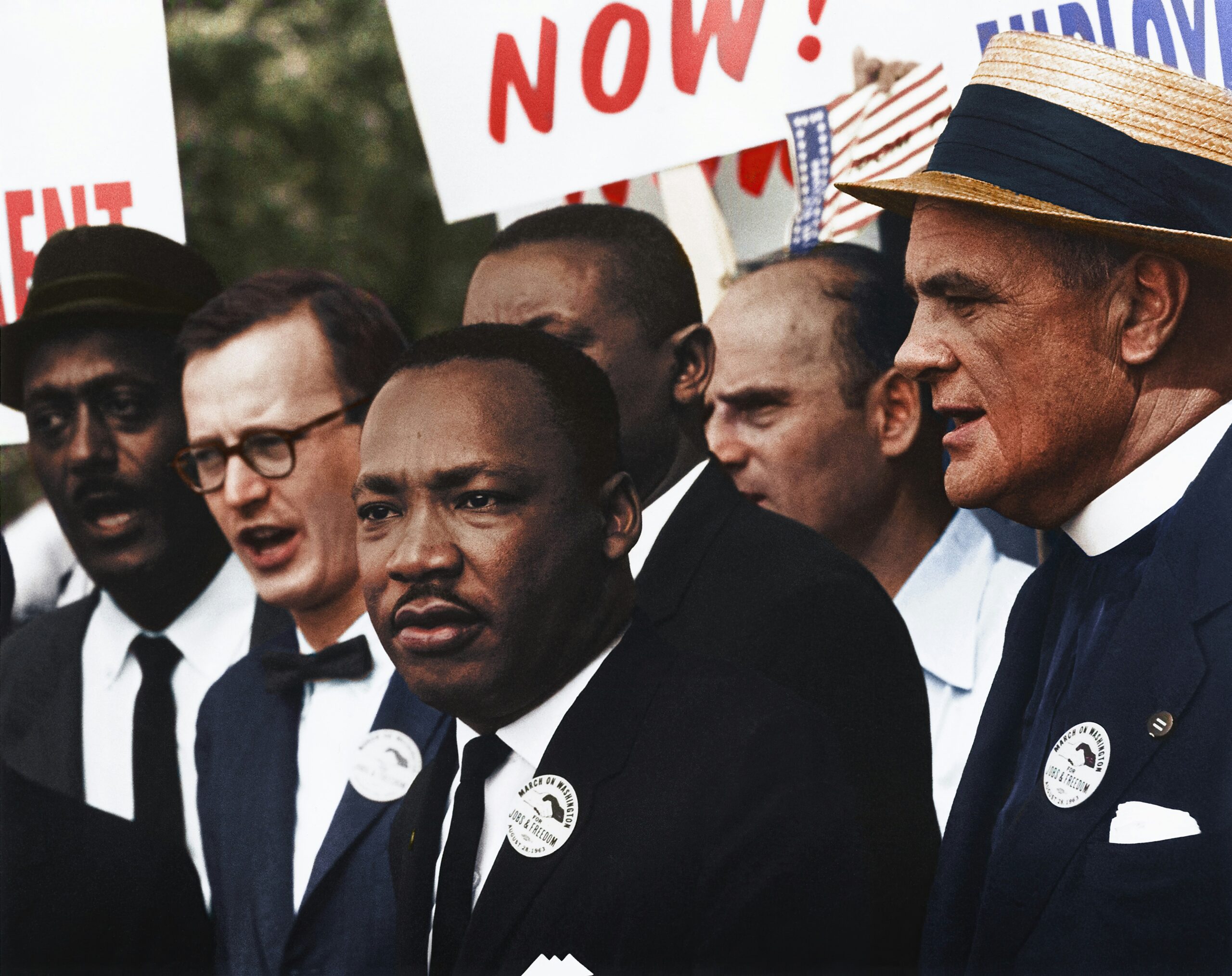
Yesterday, I was talking with my nephews about what they learned in school about Martin Luther King Jr. When I asked them what they remembered, they sort of drew a blank. So I asked my sister if they had talked about it at home, and we both kind of paused. Not because it isn’t important, but because sometimes we just don’t know how to talk about big topics with little kids.
We wanted to be thoughtful. We didn’t want to overwhelm them or say the wrong thing. And we realized we’re probably not the only parents who feel that way.
That conversation is what inspired this guide.
I started thinking about how kids already understand things like kindness, fairness, and using their words. So instead of trying to explain history all at once, I broke it down into small, age appropriate ways that might actually make sense to them. These are simple starting points you can use at home, and build on as your kids grow.
Start Where Kids Are: Kindness
For very young children, the concept of kindness is familiar and meaningful. They already understand how it feels to be included or left out, comforted or hurt.
How to explain it:
Martin Luther King Jr. was a man who believed everyone should be treated with kindness and respect. Even when people were unkind to him, he chose love and gentle words instead of anger.
This explanation focuses on values rather than events. At this stage, children do not need to know details about marches, laws, or speeches. They need to understand that choosing kindness is powerful.
How parents can reinforce it:
Point out moments of kindness in daily life. Praise your child when they share, help, or speak kindly. Let them see that these small choices matter.
Parent prompt:
How can we show kindness today?
Introduce Fairness in Everyday Terms
As children grow, they begin to notice fairness very clearly. They care deeply about rules, turns, and whether everyone is treated the same.
How to explain it:
A long time ago, some rules were unfair and did not treat everyone the same. Martin Luther King Jr. worked to change those rules so all kids could go to school, play together, and be treated fairly.
Using simple, familiar examples helps children understand abstract ideas.
How parents can reinforce it:
Ask questions like, “How would you feel if only some kids were allowed to play?” These conversations help children develop empathy and understand why fairness matters beyond themselves.
Parent prompt:
How would it feel if only some kids were allowed to play or go to school?
Talk About Peaceful Problem Solving
Children are constantly learning how to manage frustration, disappointment, and conflict. This makes it a natural time to introduce the idea of peaceful change.
How to explain it:
Martin Luther King Jr. believed problems should be solved without fighting. He taught people to use peaceful words and actions, even when things felt very unfair.
This framing helps children see that being calm and kind does not mean being weak. It means being brave.
How parents can reinforce it:
Model calm behavior during conflicts. Talk through big emotions out loud so children learn that feelings can be handled without hurting others.
Parent prompt:
What are some peaceful ways we can handle big feelings?
Share the Dream and Empower Older Kids
Older children are ready to think beyond themselves and imagine a better future.
How to explain it:
Martin Luther King Jr. had a dream that people would be judged by their kindness, not by how they look. He believed everyone deserves respect and equal chances.
This message helps children feel like part of something bigger than themselves.
How parents can reinforce it:
Ask your child what kind of world they want to live in. Encourage them to think about ways they can stand up for others, include new friends, or speak kindly when someone is treated unfairly.
Parent prompt:
What is one dream you have to make the world nicer?
Why These Conversations Matter
Children learn about fairness, empathy, and courage long before they learn historical facts. Talking about Martin Luther King Jr. is not about memorizing names or dates. It is about helping children understand that their choices matter and that kindness can change the world.
These conversations do not need to be perfect or complete. They can happen in small moments, at bedtime, in the car, or during play. What matters most is that your child knows they can ask questions and that you are willing to listen and learn together.
A Simple Family Practice
Once a week, ask each family member to share one kind or fair thing they did or want to do. This helps children connect big ideas to real life actions and reinforces that change starts close to home.
One Sentence to Remember
Martin Luther King Jr. showed the world that kindness, fairness, and peaceful choices can create lasting change.